
Wedding invitations are often the first element through which guests come into contact with the style of the wedding. Before seeing the venue or the decorations, they receive a message, a Save the Date, that offers a preview of the event’s atmosphere. For this reason, wedding stationery should not be considered merely a collection of printed materials, but rather an integral part of the overall creative design.
Save the Dates, invitations, ceremony booklets, menus, place cards, seating charts, and informational signs can all contribute to creating a recognisable identity that accompanies guests from the first announcement through to the wedding day. Graphic consistency makes the experience more harmonious and helps every detail complement the others.
Defining a Style Before Choosing the Materials
The starting point is the wedding concept. A minimalist celebration can be expressed through clean graphic design, white space, and understated typography. A garden-inspired event, on the other hand, may suggest botanical illustrations, textured materials, and more elaborate colour palettes.
There is no one-size-fits-all solution for every couple: the choice depends on the venue, the season, the desired atmosphere, and the couple’s taste. It is useful to identify a few guiding elements, such as colours, fonts, graphic motifs, and finishes, before designing the individual stationery items.
An elegant stationery suite does not need to be identical in every detail, but it should be recognisable through its overall consistency. An elegant stationery suite does not need to be identical in every detail, but it should be recognisable through its overall consistency.
Wedding Invitations: Beauty and Clear Information
The invitation communicates the essential information about the event and anticipates the tone of the celebration. In addition to the quality of the paper and the graphic composition, it is important to carefully check names, dates, times, addresses, and confirmation methods.
If additional information is required, such as the wedding website or travel details, a separate insert can be chosen to avoid overcrowding the invitation. Readability should always take precedence over decorative effects.
Timing also deserves attention: texts, drafts, printing, and shipping require time that should be included in the planning schedule. A final check before printing helps avoid errors that are difficult to correct.
The coordinated stationery during the reception
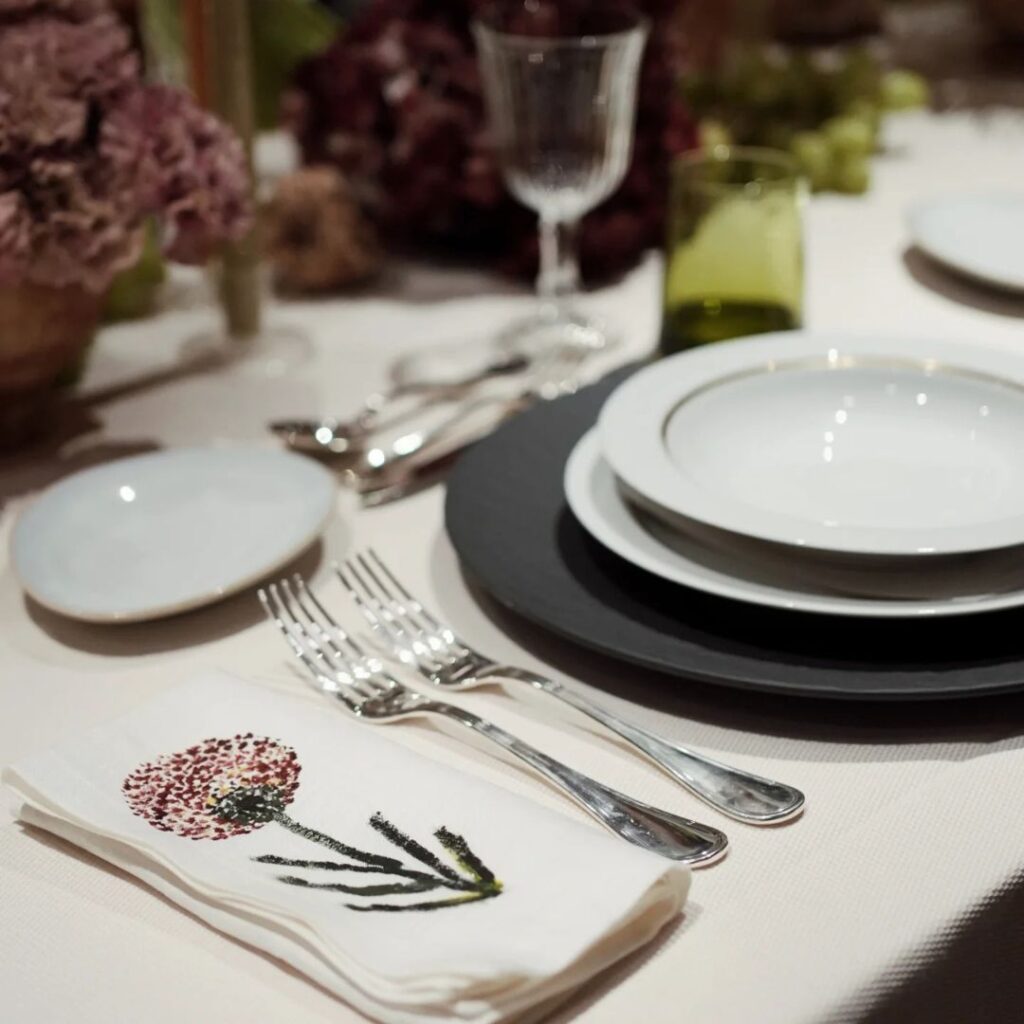
On the wedding day, the stationery accompanies guests throughout the different moments. The menu presents the courses, the seating chart helps guests find their assigned table, place cards personalize the table setting, and signage can make it easier to navigate the venue.
Each piece should be designed in relation to the context in which it will be used. Sizes, materials, and placement should be practical, durable, and legible even under different lighting conditions.
It is important to coordinate with the venue and suppliers to determine quantities, content, and setup arrangements. The seating chart, for example, must reflect the latest version of the table layout; the menus must be consistent with the courses that have actually been confirmed.
A graphic design that tells the couple’s story
Wedding stationery works best when it combines aesthetics and practicality. There is no need to include every possible element: it is preferable to choose only the truly necessary pieces and pay close attention to their design, avoiding redundancy and waste.
Filomena D’Amelio Wedding Planner & Designer considers the details part of a broader vision, in which atmosphere, materials, flowers, and graphic design contribute to a balanced result.
A well-designed stationery suite does more than decorate: it guides, welcomes, and tells a story. Through consistent and personalized choices, even paper becomes part of the wedding experience, leaving guests with a thoughtful impression and giving the couple a keepsake that preserves the character of their special day.