
In wedding planning, it is often the details that transform the welcome into a thoughtful and personal experience. The wedding seating chart and place cards serve a practical purpose, but they can also become decorative elements that reflect the couple’s style and contribute to the atmosphere of the reception.
The seating chart helps guests identify their assigned table, while the place card indicates the seat designated for each person. These are two distinct elements that should complement one another and align with the overall design of the event. Elegance comes from the balance between functionality, visual harmony, and consideration for people.
The Wedding Seating Chart: Guiding Guests in Style
The seating chart is one of the first elements guests encounter when arriving at the reception area. It should be positioned where it is easy to find and does not obstruct walkways, making it easy to consult even when several people arrive at the same time.
The aesthetic choice depends on the wedding concept. For a reception with a classic style, refined stands, frames, and understated arrangements may be suitable; for an event immersed in nature, natural materials, botanical details, and delicate colours can create a connection with the landscape.
The graphic design is also important: names and table numbers must be legible, well-organised, and easy to identify. Overly elaborate decorations or fonts that are difficult to read risk compromising the primary function of the seating chart.
A well-designed seating chart welcomes guests without causing confusion and decorates without getting in the way. For this reason, aesthetics and practicality should be considered from the earliest stages of the design process.
Place Cards: The Value of a Personal Touch
The place card adds a personal touch to the table setting and helps guests find their seats. It can be made from a card coordinated with the wedding stationery, a floral element, a natural material, or a small object chosen to complement the style of the event.
There is no need to resort to elaborate solutions to achieve an elegant result. Even a simple detail, if consistent with the colours, materials, and table decorations, can help create a harmonious overall effect.
The guest’s name must be clearly visible and correct. The placement should be agreed upon with those responsible for the setup and service, so that each place card is positioned as planned without interfering with plates, glasses, and other elements of the table setting.
The most successful personalisation is one that reflects the couple while also making every guest feel expected and welcome.
Coordinating Colours, Materials, and Arrangements
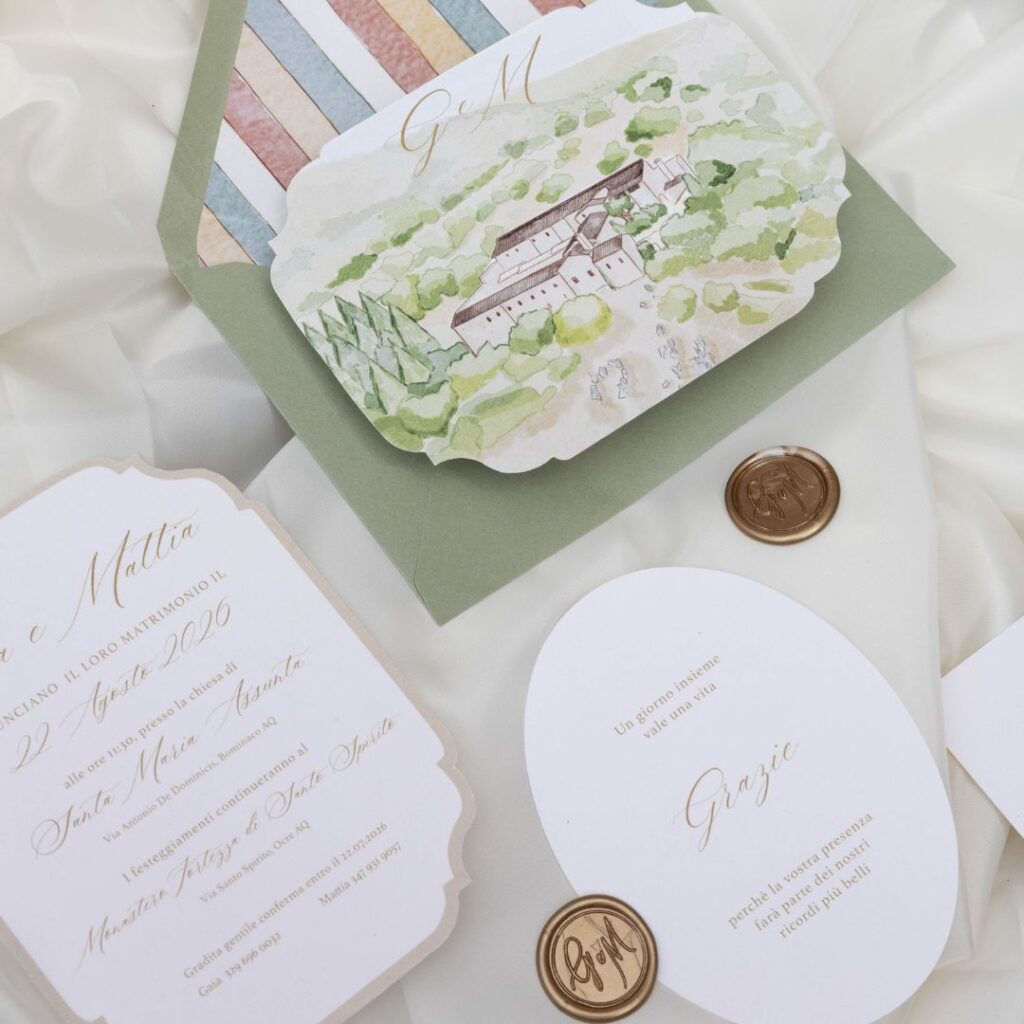
The seating chart and place cards should not be designed as isolated elements. Their visual identity can echo the typography of the invitations, the wedding colour palette, the materials chosen for the decorations, and selected floral details.
This does not mean repeating exactly the same elements everywhere. It is preferable to create a recognisable visual thread while allowing each component to serve its own purpose. A seating chart can have a more striking visual presence, while place cards can be understated and blend into the table setting.
The choice of materials should also take the setting into account. Displays, card stock, and decorations must be suitable for the space, stable, and resistant to the expected environmental conditions, especially at outdoor receptions.
Organisation and Verification of Seating Assignments
The creative process must go hand in hand with information management. Before producing the seating chart and place cards, it is important to verify guest confirmations, table assignments, and the spelling and design of the names.
As changes may occur right up until the event, it is necessary to set a deadline for final confirmation and agree with suppliers on how to manage any adjustments. A final check prevents inconsistencies between the guest list, the displayed seating chart, and the place cards arranged on the tables.
Coordination with the venue and catering team also makes it possible to establish the timing and arrangements for the setup, ensuring that every element is ready before the guests arrive.
A Welcome That Tells the Couple’s Story
For Filomena D’Amelio Wedding Planner & Designer, attention to detail is part of a broader vision in which aesthetics, organisation, and the guest experience must all work in harmony.
The wedding seating chart and place cards are small details, but they help make the reception run more smoothly while adding a personal touch and ensuring a cohesive overall style. Welcoming guests with elegance means thinking not only about what they will see, but also about how they will feel throughout every moment of the day.
When functionality and thoughtful design come together, even a simple gesture, such as finding a table or locating one’s name, becomes part of a carefully curated and memorable experience.