
The table is much more than a space dedicated to serving courses: it is a meeting place, an expression of hospitality, and an element capable of conveying a style. The choice of fabrics, colours, flowers, and accessories contributes to creating a specific atmosphere, transforming a convivial moment into a carefully curated experience. Learning how to design a table means understanding how aesthetics, functionality, and etiquette can coexist in harmony.
The Masterclasses and experiential workshops dedicated to these topics offer the opportunity to explore techniques, materials, and compositional principles through a practical approach. The goal is not only to learn the rules, but also to develop a more discerning eye, capable of recognising the proportions, combinations, and details that make a table setting harmonious.
The value of a learning experience lies in the opportunity to observe, experiment, and understand the reasoning behind each choice. When theory meets practice, even an apparently simple detail can become a tool for expressing creativity and personality.
Table Etiquette Between Tradition and Contemporary Style
Understanding table etiquette helps organise the table in an orderly and functional way. The arrangement of elements, the correct use of plates and cutlery, and attention to the space allocated to each guest are all aspects that enhance comfort and the quality of service. Customs may vary depending on the formality of the occasion, but the fundamental principle remains consideration for those seated at the table.
Alongside the rules, it is important to understand how to interpret them in different contexts. An informal dinner, an elegant lunch, and a wedding reception call for different solutions. Etiquette thus becomes a flexible guide, to be applied with common sense and sensitivity.
Styles, Materials, and Floral Arrangements
The design of a table often begins with an idea or an atmosphere. A classic style can enhance refined fabrics, porcelain, and understated arrangements; a contemporary design, on the other hand, can play with clean shapes, colour contrasts, and “Glamour” materials. There is no formula that works for every occasion: what matters is maintaining a consistent direction.
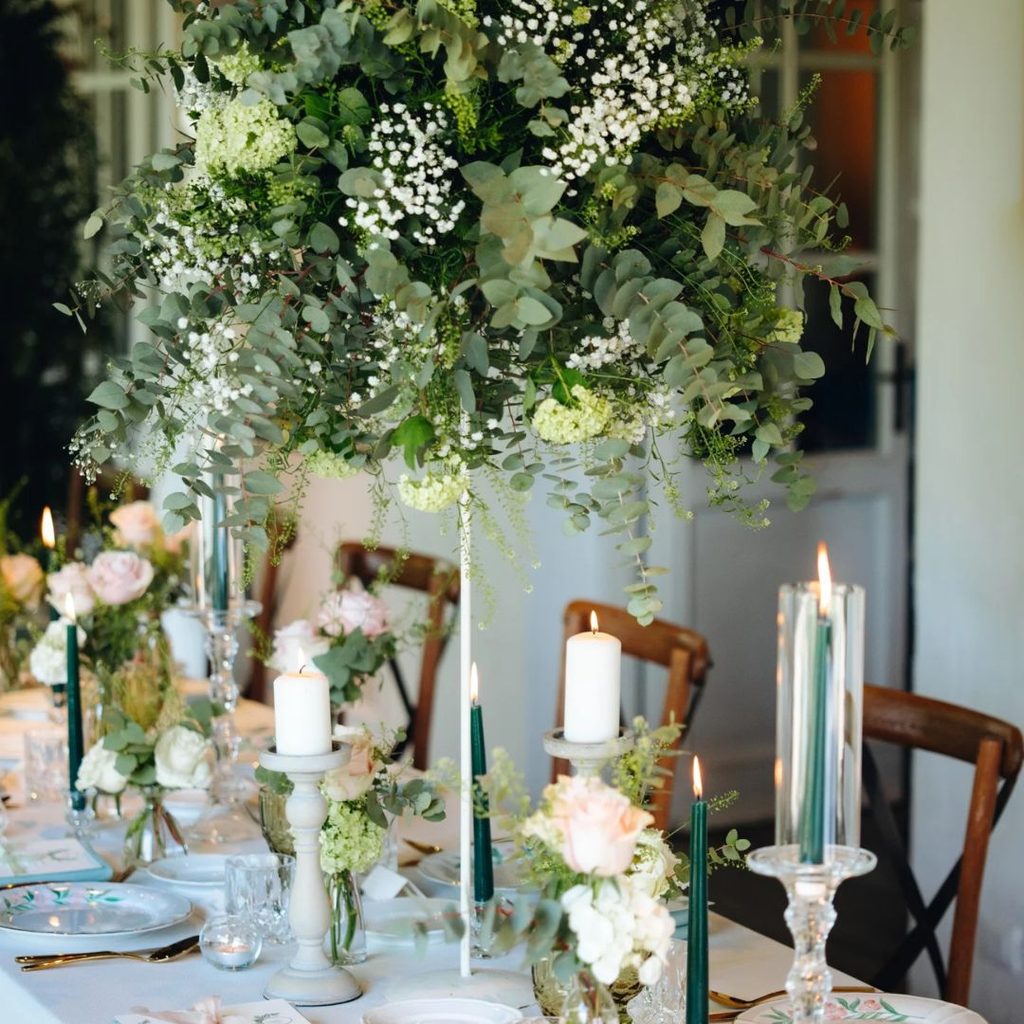
Flowers contribute significantly to the overall composition. The choice of varieties, colours, heights, and containers must work in harmony with the table setting and the space. Arrangements should not obstruct the view or conversation, but rather complement the table without overpowering it.
The quality of the result depends on the balance between the elements. Colours, textures, shapes, and proportions must be considered as parts of a single project, in which every choice reinforces the identity of the whole.
Learning Through Experience
A creative workshop allows participants to move from observation to creation. They can learn about different floral styles and design styles, explore a variety of materials, experiment with combinations, and understand how to bring a project to life. Discussion and the opportunity to ask questions make the learning experience more practical and stimulating.
The Masterclasses can also offer valuable insights to those wishing to improve their skills in the art of entertaining, explore wedding design in greater depth, or gain greater confidence in event planning. Hands-on experience helps develop independence and recognise the elements that make a composition functional as well as aesthetically pleasing.
For Filomena D’Amelio, sharing knowledge and design sensibility means bringing people closer to the art of detail, showing how beauty can emerge from thoughtful choices and careful attention to the whole.
Through Masterclasses and experiential workshops, table etiquette, the study of styles, and the art of floristry become opportunities to explore creativity and learn to design with greater awareness. A journey dedicated to those who wish to rediscover the pleasure of entertaining and create moments of authentic conviviality.