
The elegance of a wedding does not depend solely on the beauty of the venue and the quality of the decorations. It is also reflected in gestures, hospitality, respect for guests, and the harmony with which the different moments of the celebration are organised. Etiquette offers useful guidelines for navigating tradition and contemporary sensibilities, helping to create a refined event without making it rigid or impersonal.
Bon ton should not be seen as a set of rules to follow without understanding their meaning. First and foremost, it is a form of consideration for others: a way to make every person feel welcome, respected, and part of a special occasion. This perspective makes it possible to interpret customs naturally, adapting them to the couple’s style and the character of the wedding.
Wedding Etiquette: Hospitality and Harmony
Attention to wedding protocol begins before the wedding day. Wedding invitations must clearly communicate the essential information, while the invitations and practical details help guests organise themselves. Managing RSVPs, communicating timings, and considering individual needs also contribute to conveying an impression of order and thoughtfulness.
Throughout the day, punctuality, the scheduling of events, and the quality of the welcome make a difference. It is important that guests know where to go and can enjoy the celebration without uncertainty. The level of formality may vary depending on the context, but courtesy remains a fundamental element in every type of wedding.
Contemporary etiquette leaves room for personality. Family traditions, local customs, and the couple’s preferences can find a balance, provided that the choices are thoughtful and respectful of the people involved.
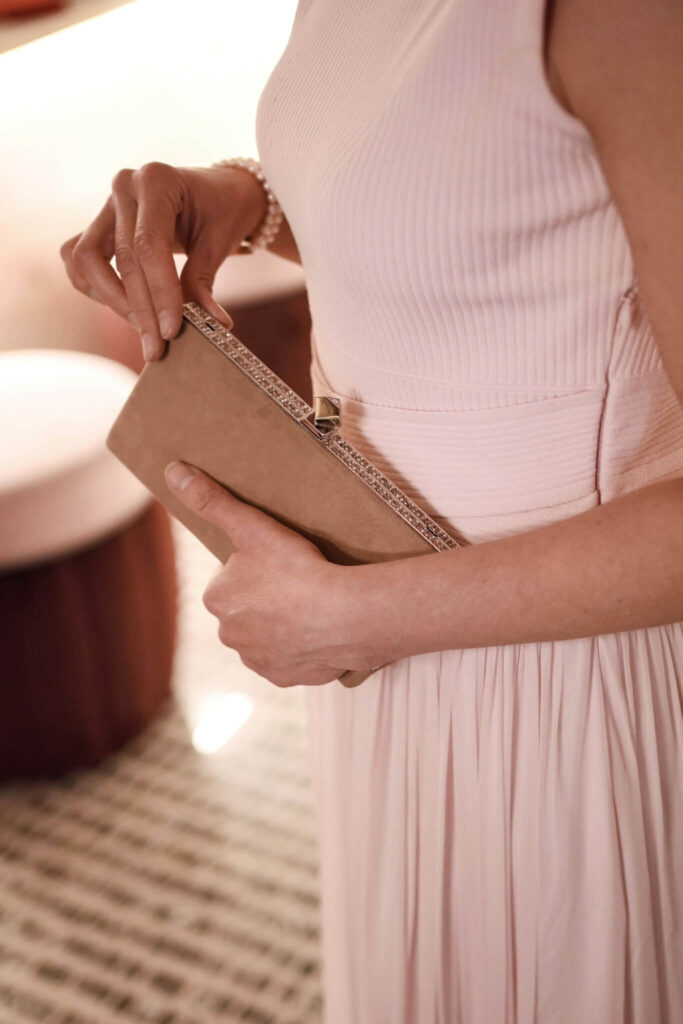
Table Etiquette: Beauty and Functionality
The table is one of the most representative elements of the reception. The arrangement of the seating, glasses, and cutlery, the choice of table linens, and the floral arrangements all contribute to defining the atmosphere. An elegant table setting is not necessarily complex: it must be consistent with the style of the event and allow guests to move around and converse comfortably.
The seating arrangement also deserves careful attention. The choice of seats can encourage conversation and make the reception more enjoyable, taking into account family relationships, friendships, and specific needs. It is advisable to approach any delicate situations with sensitivity, avoiding arrangements that could cause discomfort.
The balance between aesthetics and functionality is the principle that guides a well-designed table. Every element must contribute to the visual composition without hindering the service or the comfort of the guests.
Dress Code and Bon Ton: Guidelines Without Rigidity
The dress code helps guests understand the style and level of formality of the event. If one is specified, it is important to communicate it clearly and sufficiently in advance, avoiding ambiguous instructions. The choice of attire should respect the context of the ceremony, the season, and any requests made by the couple.
Bon ton does not require absolute uniformity, but rather common sense and respect for the occasion. A garden wedding, a religious ceremony, and an evening reception may call for different dress codes, which should be interpreted with care.
For Filomena D’Amelio, attention to etiquette is part of a broader vision of wedding planning: bringing together aesthetics, organisation, and consideration for people, so that every detail contributes to a harmonious experience.
Understanding wedding etiquette means rediscovering the value of small gestures and transforming them into expressions of hospitality. When tradition and contemporary sensibilities naturally come together, elegance becomes a shared experience, capable of making every celebration more authentic and memorable.