
The venue is one of the elements that most strongly influences a wedding’s identity. It is not merely the backdrop for the ceremony or reception, but also shapes the atmosphere, the possibilities for styling and decoration, and a significant part of the planning process. Choosing the right venue means finding a space capable of welcoming the couple and their guests, reflecting their desired style while meeting the practical needs of the event.
When faced with a villa, a historic residence, a garden, or a contemporary venue, it is easy to be captivated by the visual impact. However, before making a decision, it is essential to carefully assess the features, services, contractual terms, and actual potential of the spaces.
The ideal venue is not simply the most visually striking one, but the one that allows the desired vision to be brought to life without compromising guest comfort or the quality of the organisation. Beauty must be accompanied by functionality, accessibility, and clarity regarding operational conditions.
Atmosphere and the Identity of the Venue
The first consideration is the coherence between the character of the venue and the couple’s vision. A historic setting can enhance a classic wedding or one rich in architectural references, while a venue surrounded by nature may be suited to a more minimalist celebration. Contemporary spaces, terraces, and gardens offer other possibilities, to be interpreted according to the couple’s personality.
It is useful to observe the colours, materials, permanent furnishings, and architectural features. These elements influence the decorative design and can suggest solutions that enhance the setting without overwhelming it. A venue already rich in details may call for a more restrained approach to styling, while a neutral space can offer greater creative freedom.
Lighting also deserves careful consideration. Natural light changes throughout the day and can influence photography, the perception of colours, and the atmosphere of the reception. Visiting the venue at the times planned for the event helps provide a better understanding of its characteristics.
Capacity, Services, and Functionality
The number of guests is an essential criterion. The stated capacity must be compatible with the planned layout for tables, the dance floor, any areas dedicated to children, and circulation spaces. A room may officially accommodate a certain number of people, yet prove less comfortable once decorations and equipment are added.
It is important to check which services are included in the venue hire fee. Some venues provide furnishings, staff, and equipment, while others require additional rentals or arrangements with external suppliers. The conditions governing the use of the spaces, access times, and any restrictions on music and decorations should be clarified before confirming the booking.
The logistics for the professionals involved also affect the organisation. Access points for loading and unloading, service areas, and the time allowed for setup must be compatible with the planned schedule.
Managing Unexpected Situations
An informed choice also includes evaluating alternative options. If the wedding includes outdoor moments, it is essential to know which spaces are available in the event of rain or unfavourable temperatures. The backup plan must ensure suitable conditions for guests and, as far as possible, preserve the quality of the experience.
Mobility needs, parking availability, the distance from the ceremony venue, and nearby accommodation options should also be considered. These aspects may seem secondary during the visit, but they become crucial on the wedding day.
A well-chosen venue simplifies the planning process by providing conditions that are compatible with the couple’s style, schedule, and needs. Assessing practical aspects from the outset allows the budget to be used more thoughtfully and helps reduce difficulties in the later stages.
The Project Takes Shape Within the Space
After verifying the essential requirements, it becomes possible to envision how the different moments of the day can be arranged. The ceremony, aperitif, dinner, and celebration can take place in different areas, where the venue allows. The sequence of spaces should encourage natural movement, avoiding awkward routes or excessive waiting times.
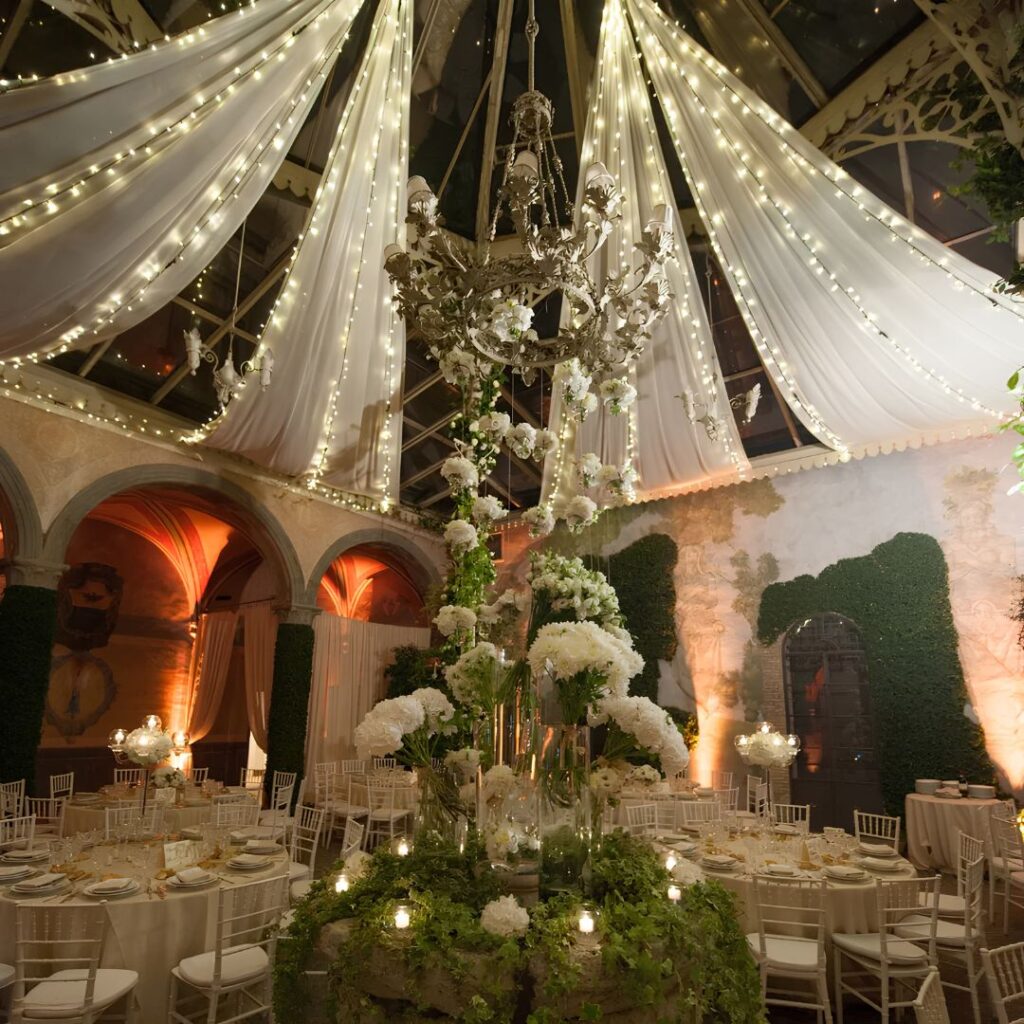
The design of the decorations must respect the characteristics of the venue and the conditions agreed upon with the property. Flowers, lighting, fabrics, and table settings can enhance the surroundings without altering their identity.
For Filomena D’Amelio, choosing the venue is a strategic step in wedding planning: it brings together aesthetic sensibility and organisational assessment, ensuring that the space becomes an integral part of the couple’s story.
Visiting venues carefully, asking precise questions, and comparing alternatives allows couples to make a more informed decision. The right venue is one where beauty, functionality, and personality come together, creating the conditions for a harmonious and memorable wedding.